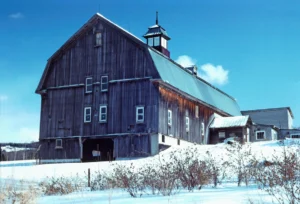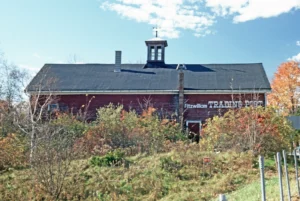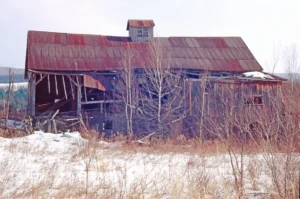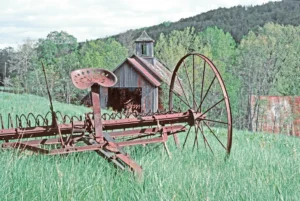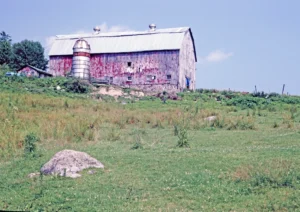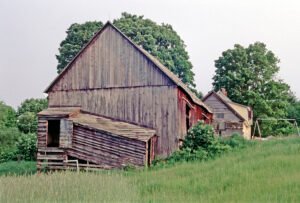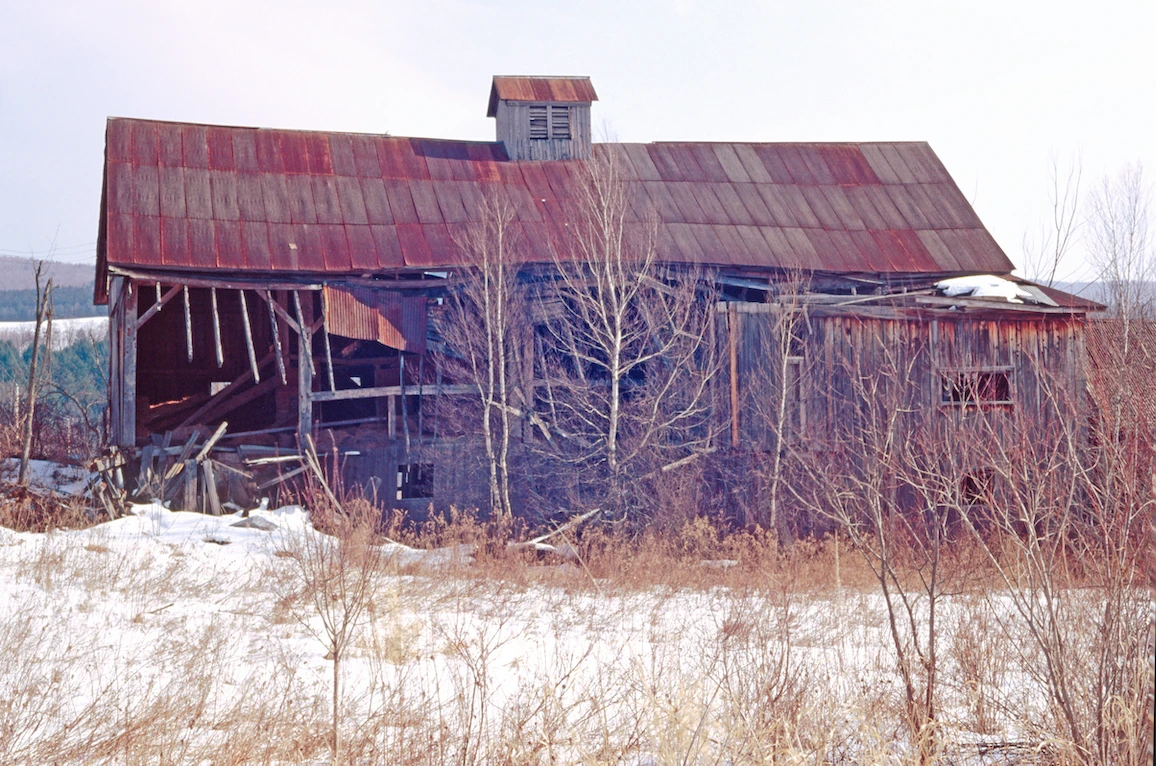
I was shocked when I first realized how many of the barns I had photographed were no longer standing. Some of my photographs were forty or fifty years old. Although I had recorded the towns where the barns stood, many were tucked away on back roads without street signs or house numbers.
Many of the farms had been abandoned, and their barns had gradually fallen into ruin. Others had been destroyed by fire or torn down by real estate developers.
Tracking them down became a real challenge. I contacted town clerks and local historians, emailed state and local historical societies, and searched for anyone who might remember these barns and where they had stood. I combed through tax records for family names and, in some cases, drove back to the locations to talk with neighbors who might recall the farms.
I soon discovered that many town officials and neighbors had not even been born, or had not lived in the area, when I took the photographs. The families who had owned the farms had often moved on. Some family members had died, while others had retired, sold their farms, and relocated.
Everyone I contacted was willing to help, but many had little or no information to offer. Occasionally, I would find a family member or descendant who was delighted to be interviewed. They shared family stories, memories, and old photographs that helped bring these forgotten farms back to life.
I had so many wonderful conversations with people who generously shared their time and memories that the experience renewed my faith in humanity. Their enthusiasm and willingness to help became an unexpected and deeply rewarding part of this project. I hope I have captured some of that warmth and enthusiasm in these interviews and, in doing so, brought a little more of each farm’s history to life.